4 Tips for Limited Mobility Travelers
November 16, 2020
4 Tips for Limited Mobility Travelers

Travel is one of those things that can really enhance your quality of life. Whether going overseas to experience a new country or travelling back home to spend the holidays with the family, travel is something we all love. But for many people travelling can be difficult at best. People with limited mobility face unique challenges when travelling that can often cause them anxiety and make the experience terrifying. It doesn’t need to be. Here are 4 tips for limited mobility travelers.
Plan for your destination
People are capable of overcoming an incredible amount of difficulties. This doesn’t mean you have to do it. The good news is that many places are handicap accessible, but that is much easier when considering travel outside of individual homes. If you’re travelling to be with family, for example, there may not be the kind of access you would find in a public space. Take a moment to think about that and review it. This will help you know what you will need for your trip.
Find Resources
Once you have planned for your destination, the next thing you need to do is look into the resources available for you at your destination. Will you need some additional transportation? Will you be staying in a home or at a hotel? Take a moment to figure out the resources you will need and identify what’s available.
Make Calls
Once you’ve identified what’s available, make some calls and learn more about those same resources you identified earlier. Ask all of the questions you may have. Get an idea for what you can expect. This type of preparation ensures that everything you need is ready and available for you.
Have a backup plan
No matter how well you prepare, something can always go wrong. It’s important that you prepare a back up plan. Take the time to create some alternate ideas and plans for you and your travel.
We’re More Than Just a Ride
We understand that things have changed because of this pandemic, but we’re dedicated to providing you with the best non-emergency medical wheelchair transportation possible. Our vehicles are cleaned and sanitized after every trip to keep you and your loved ones safe, and our process for questions and inquiries is completely remote. So if you want more information, contact us here today!
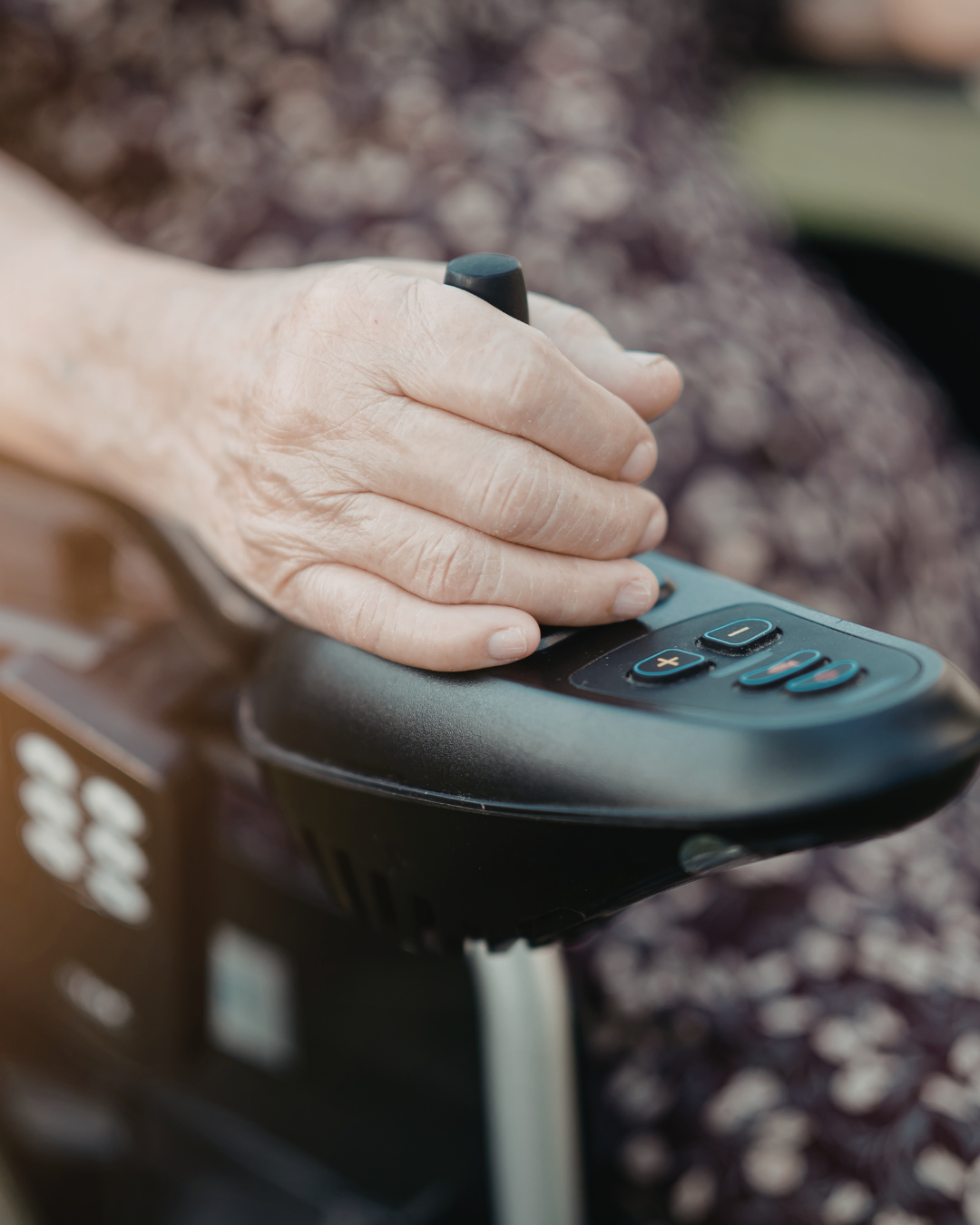
Mobility technology continues to evolve, giving individuals with limited mobility more options to remain active and independent. Smart mobility aids such as sensor-assisted walkers, intelligent wheelchairs, and connected assistive technologies are helping people move through their daily routines with greater confidence. For older adults, individuals recovering from surgery, and people living with disabilities or chronic conditions, these innovations can improve mobility, reduce fall risks, and support greater independence. Even with these advancements, dependable transportation remains essential for reaching medical appointments, rehabilitation services, work, family gatherings, and community activities. At Custom Care Carriage , safe and accessible transportation complements these technologies by providing reliable, compassionate service for passengers who rely on mobility devices every day. Smart mobility aids, including sensor-assisted walkers, power wheelchairs, and AI-powered fall prevention technology, help many individuals maintain greater independence. However, transporting advanced mobility equipment safely requires specialized care. Custom Care Carriage provides ADA-compliant wheelchair transportation throughout Charleston, SC, with secure four-point wheelchair tie-downs, accessible vehicles, and compassionate door-to-door assistance to help passengers travel safely and comfortably .
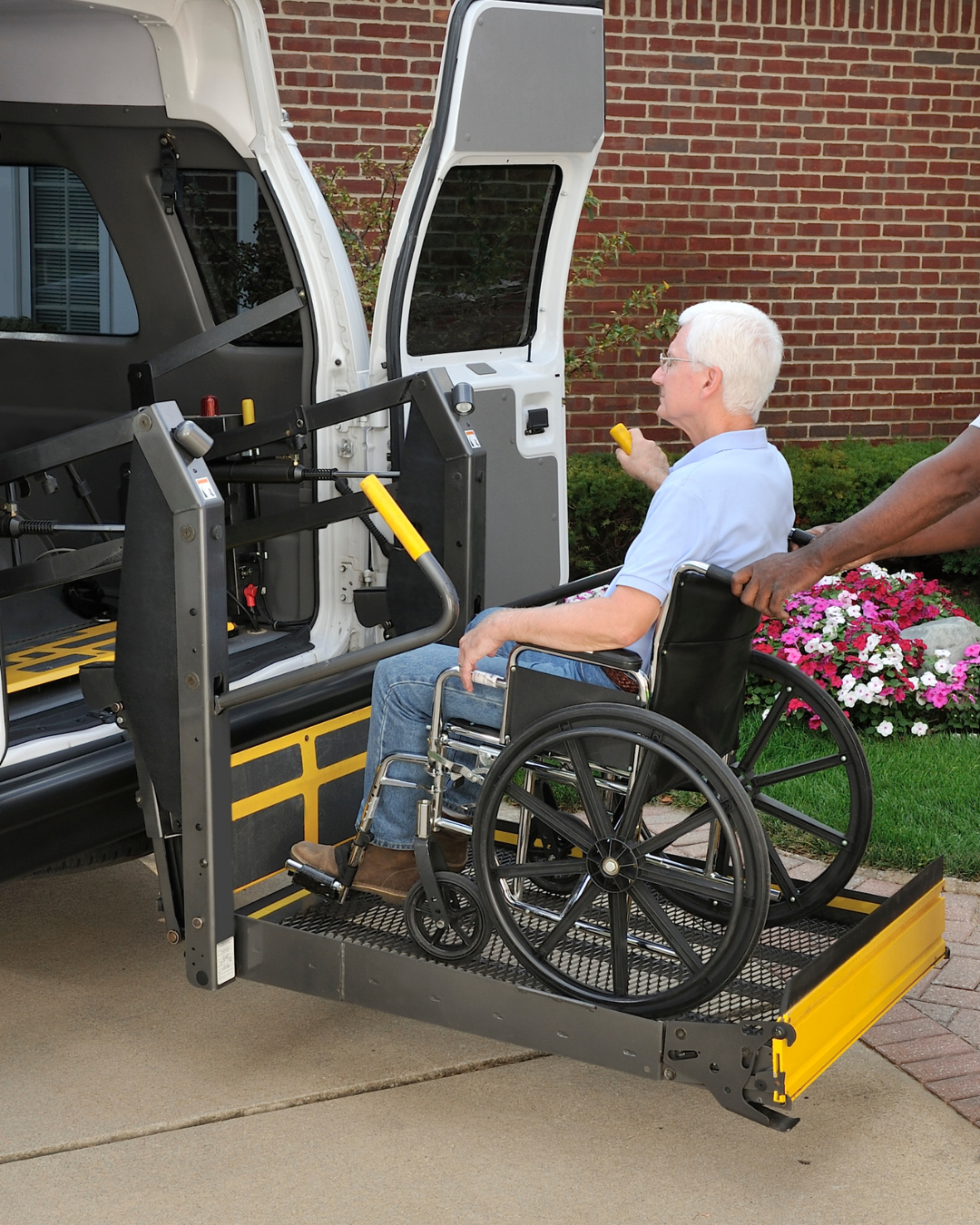
Patients often need transportation that extends beyond routine trips to a local doctor's office. Traveling to a specialist in another city, catching a flight for medical treatment, or returning home after a hospital stay requires dependable transportation that prioritizes safety, comfort, and accessibility. Custom Care Carriage provides specialized and airport medical transportation throughout Charleston, SC, helping passengers travel safely to medical appointments, Charleston International Airport (CHS), and long-distance destinations. Every trip is tailored to each passenger's mobility needs, giving both patients and their families greater peace of mind. At a Glance Custom Care Carriage provides specialized non-emergency medical transportation (NEMT) throughout Charleston, SC, including door-through-door assistance, wheelchair transportation, airport transfers to and from Charleston International Airport (CHS), long-distance medical transportation, and transportation for medical appointments. According to the Centers for Medicare & Medicaid Services (CMS), non-emergency medical transportation (NEMT) helps eligible Medicaid beneficiaries access medically necessary healthcare services when they have no other means of transportation. While eligibility varies by program, the resource highlights the important role NEMT plays in improving access to healthcare.
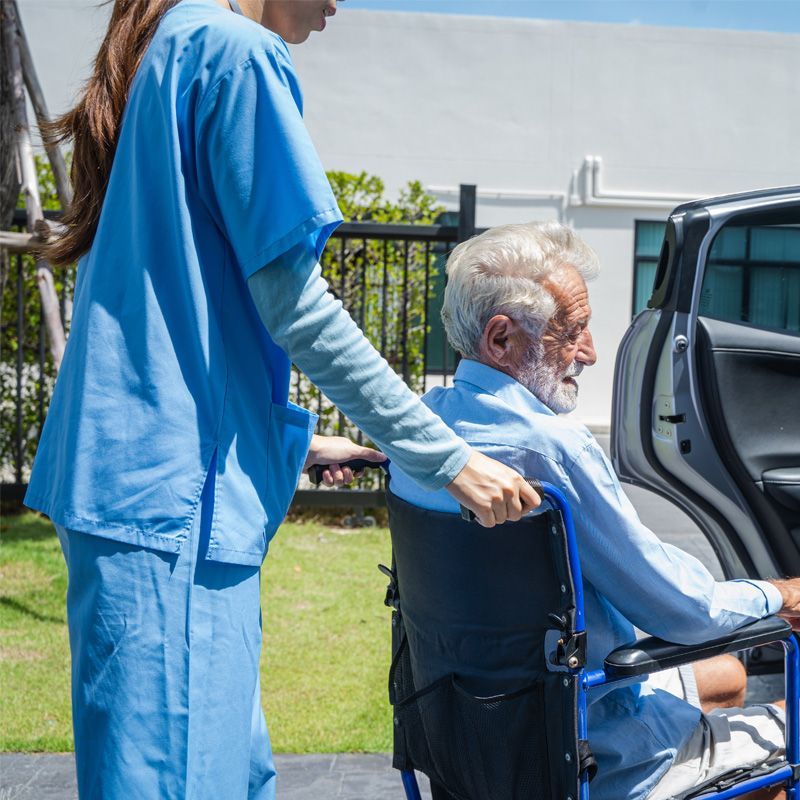
Getting to and from medical appointments should never add stress to an already vulnerable situation. For individuals managing chronic illness, mobility limitations, recovery from surgery, or age-related challenges, medical transportation safety is essential—not optional. Safe medical transportation protects not only physical well-being, but also emotional comfort, dignity, and trust. At Custom Care Carriage, LLC, patient safety is the foundation of every ride. From trained drivers to carefully maintained vehicles, every detail is designed to ensure passengers arrive safely, comfortably, and on time. This blog explores why medical transportation safety matters, the protocols that support it, the training drivers receive, and how clients experience peace of mind through professional care.
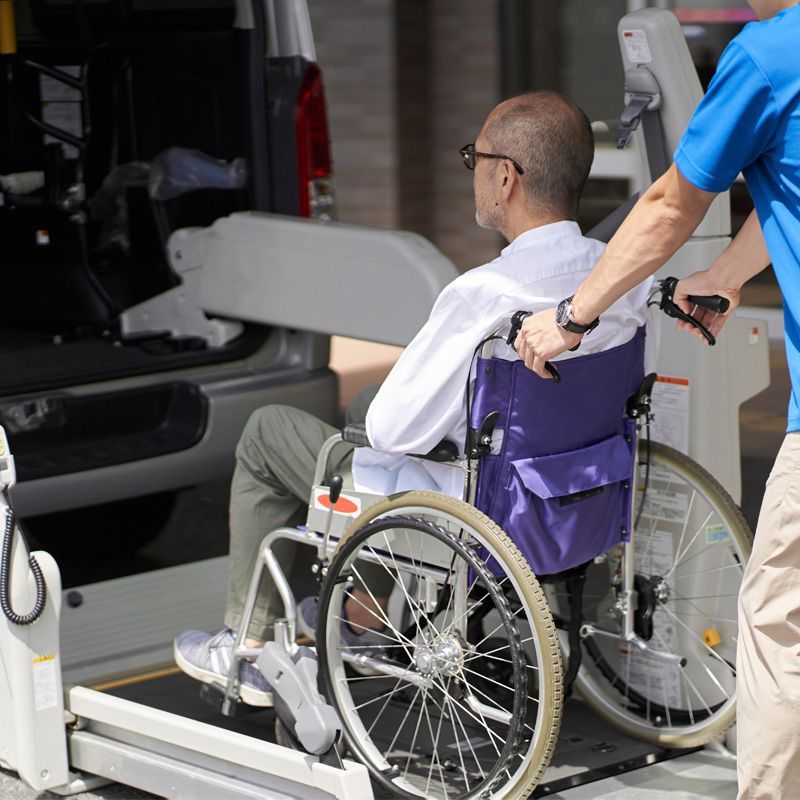
Choosing the right medical transportation service is not just a logistical decision—it is a healthcare decision. For individuals who rely on non-emergency medical transportation, the quality of service can affect appointment attendance, physical safety, emotional comfort, and overall continuity of care. Medical transportation often serves seniors, individuals with disabilities, people managing chronic illnesses, or patients recovering from surgery. In these situations, transportation is not optional. Selecting the right provider helps ensure that care is accessible, dignified, and reliable rather than stressful or unsafe. At Custom Care Carriage, medical transportation is approached as an extension of patient care. This guide explains what to look for, what to ask, and why real-world experiences matter when choosing a medical transportation service that truly meets your needs.

Medical transportation is more than a logistical service—it is a deeply human experience. For patients facing illness, recovery, aging, or disability, the journey itself can be emotionally and physically taxing. Medical appointments often come with uncertainty, discomfort, or anxiety, and transportation can either ease that burden or add to it. That is why compassionate medical transportation plays a critical role in patient comfort, dignity, and overall well-being. At Custom Care Carriage , drivers are not simply responsible for operating vehicles. They are entrusted with supporting patients during moments of vulnerability—when patience, understanding, and calm presence matter most. Through empathy, attentiveness, and respectful care, drivers help transform transportation into a reassuring and supportive part of the healthcare journey rather than an added source of stress.
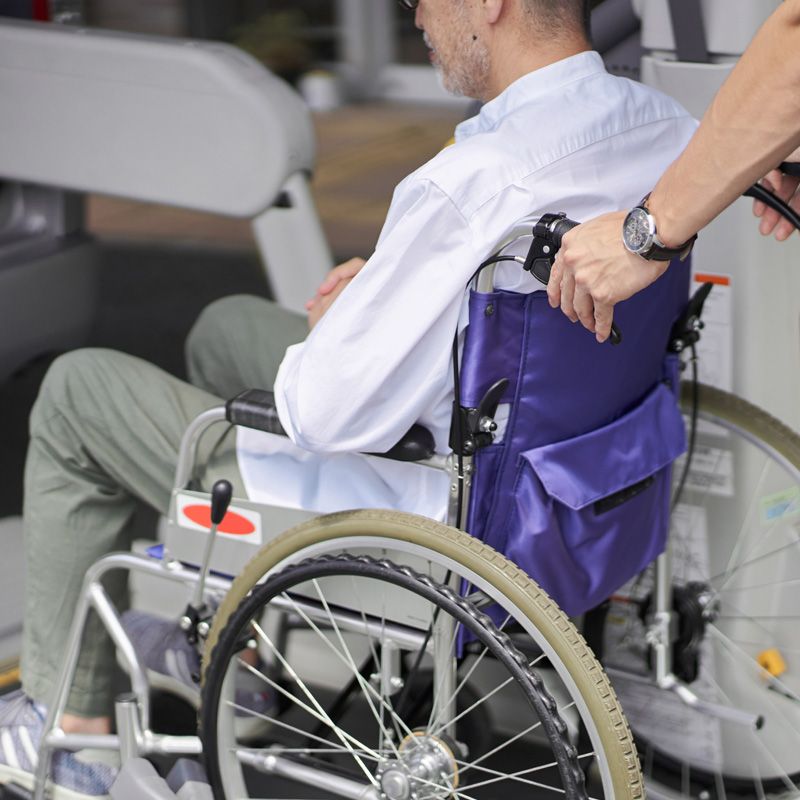
Aging brings wisdom, perspective, and resilience—but it can also introduce new challenges that affect independence and daily living. One of the most overlooked yet powerful supports for seniors is elderly transportation services. Reliable transportation does more than move someone from one place to another; it directly influences emotional health, physical well-being, social connection, and overall quality of life. For many older adults, no longer driving can feel like a loss of freedom. Missed medical appointments, isolation from friends, and reduced access to community activities can quietly diminish well-being over time. At Custom Care Carriage , transportation is treated as a form of care—designed to support seniors with dignity, safety, and compassion at every stage of aging.
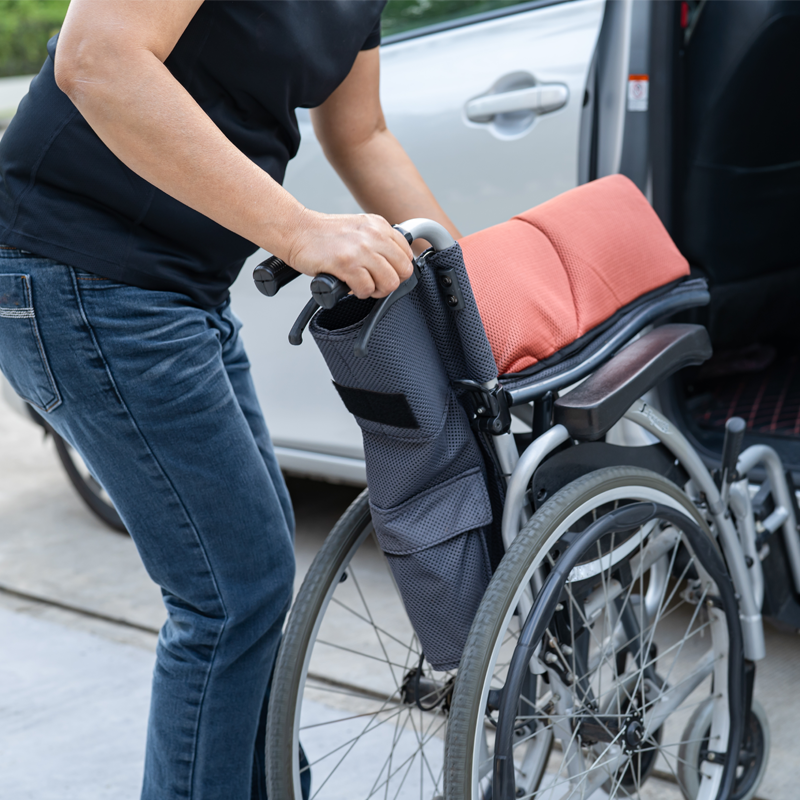
Stress-free medical transfers for appointments, surgery, and hospital visits. Learn how Custom Care Carriage provides safe, reliable transportation.
Finding the proper non-emergency medical transportation (NEMT) service can make all the difference in comfort, safety, and peace of mind. Whether you’re scheduling a hospital visit, therapy appointment, or recurring treatment, the right provider ensures timely, compassionate, and dependable service. This guide explains what to look for when selecting a non-emergency medical transportation company and how Custom Care Carriage makes every ride reliable and stress-free.
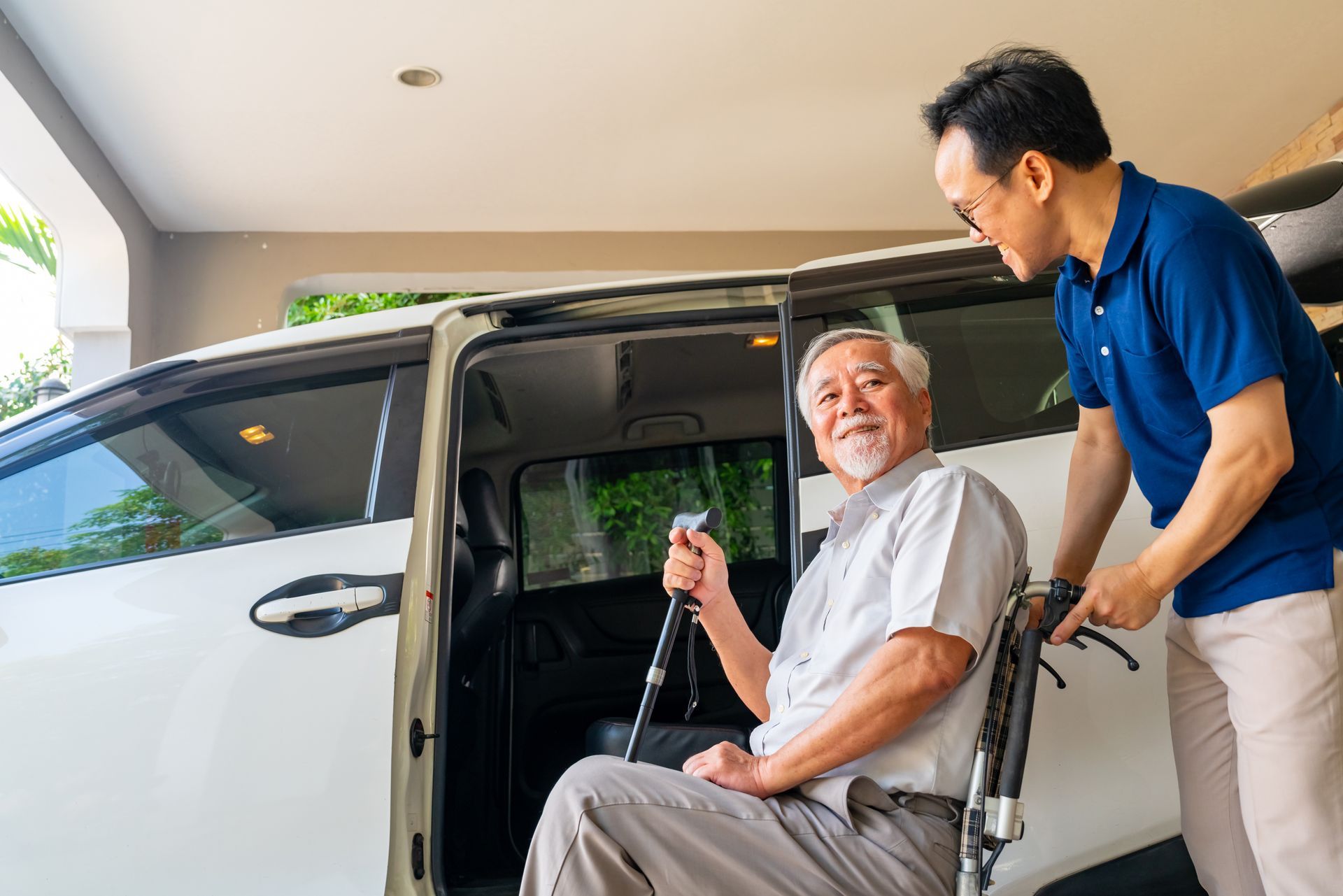
Getting from home to the hospital can feel overwhelming, especially for seniors or patients with mobility challenges. That is where non-emergency medical transportation (NEMT) becomes essential. More than just a ride, it provides safety, reliability, and peace of mind. With years of experience, Custom Care Carriage has built its reputation on creating stress-free transfers that prioritize patient comfort.
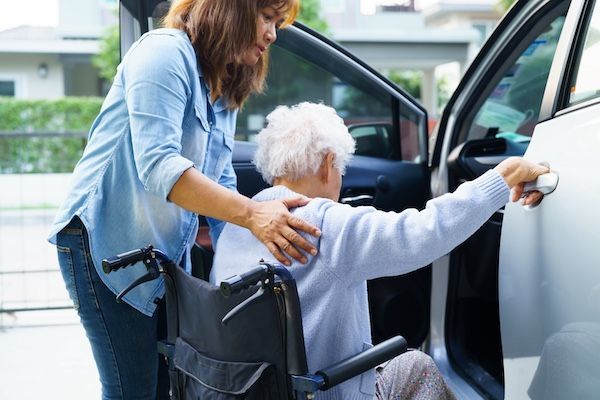
For seniors, individuals with disabilities, and their families in Charleston, SC, access to compassionate and reliable transportation is essential. Custom Care Carriage provides personalized, non-emergency medical transportation (NEMT) services designed to meet the unique mobility, medical, and social needs of individuals. Their commitment to safety and dignity ensures that every trip is not just a ride, but a step toward greater independence and well-being.